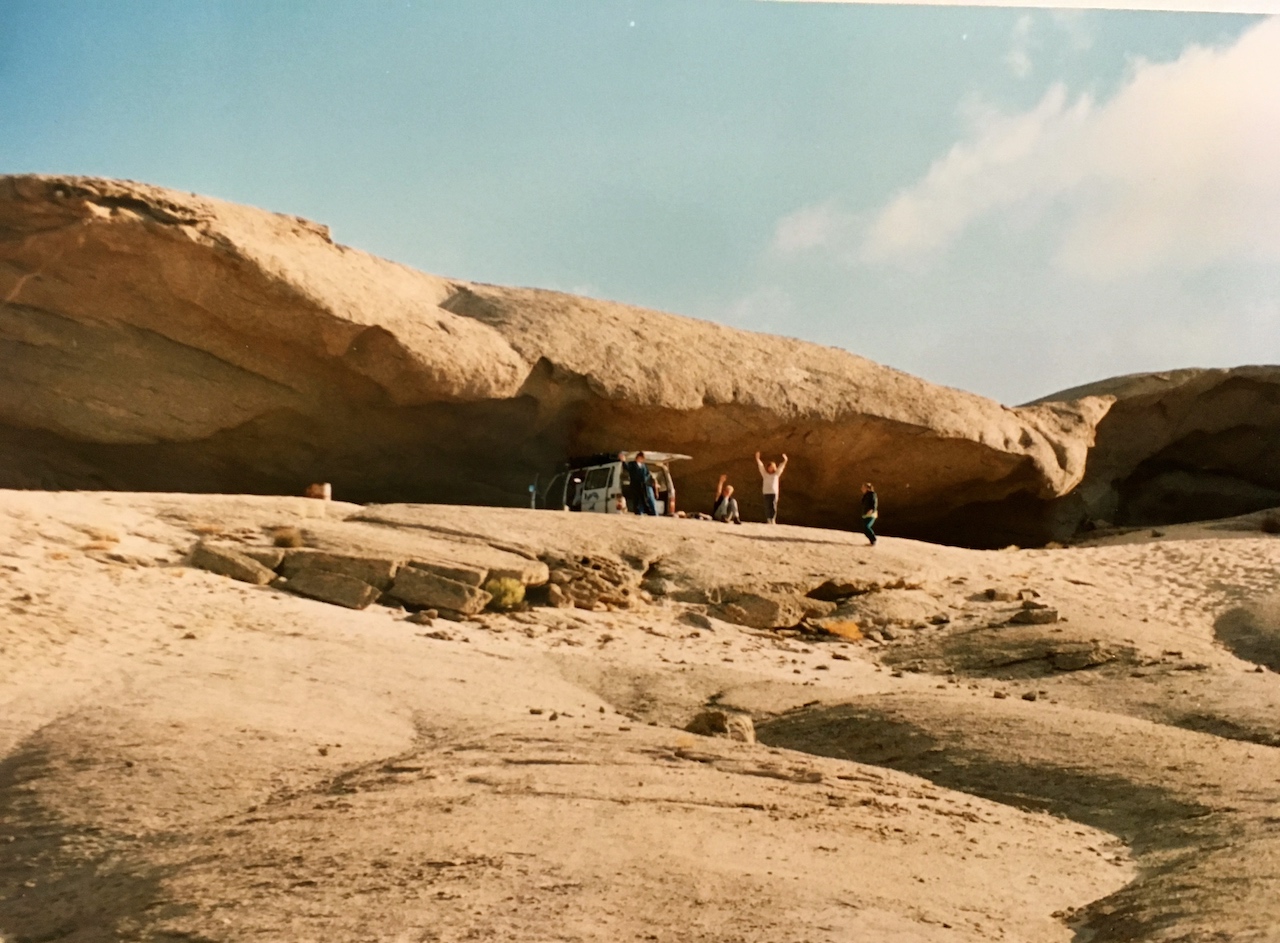
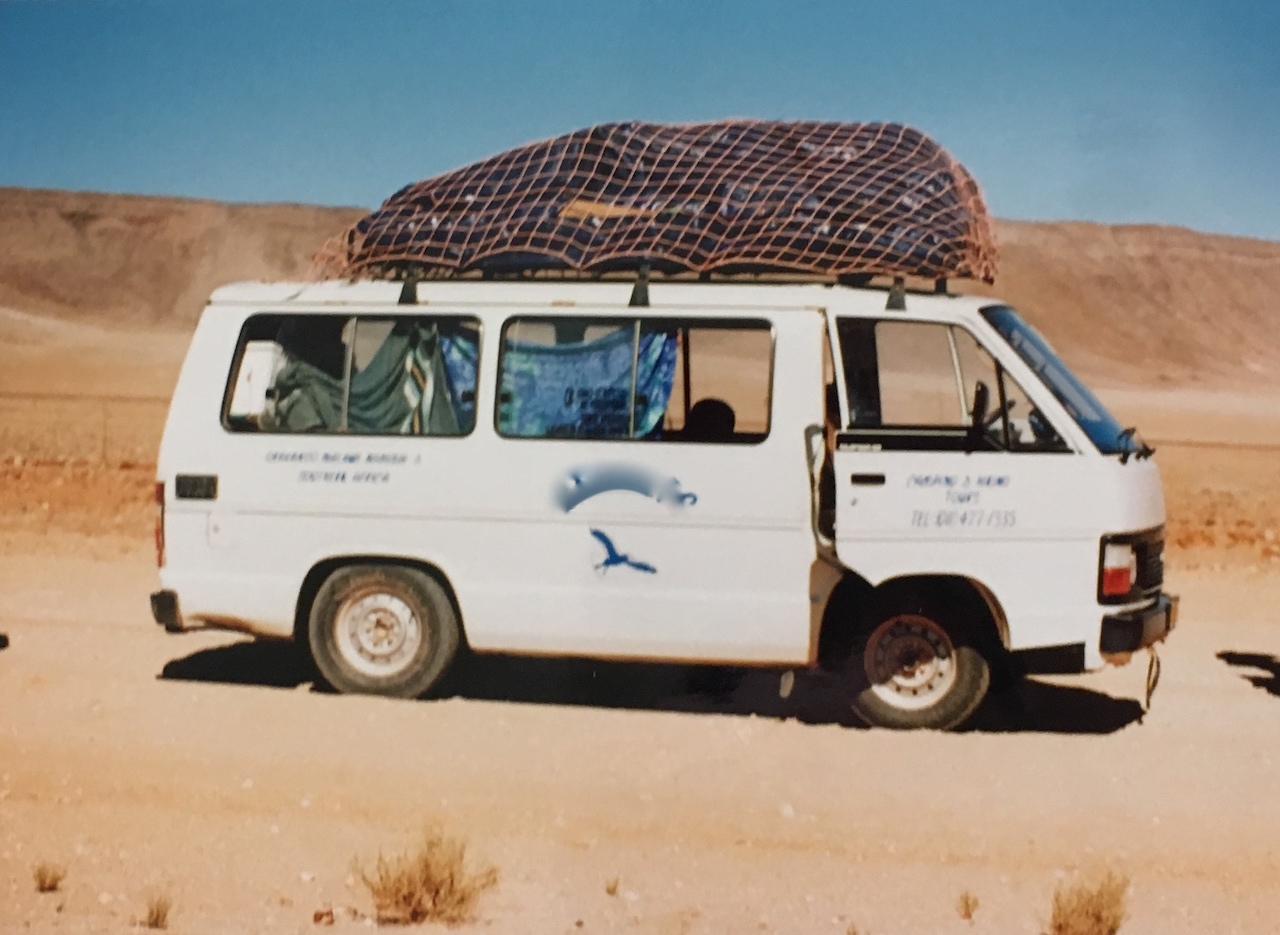
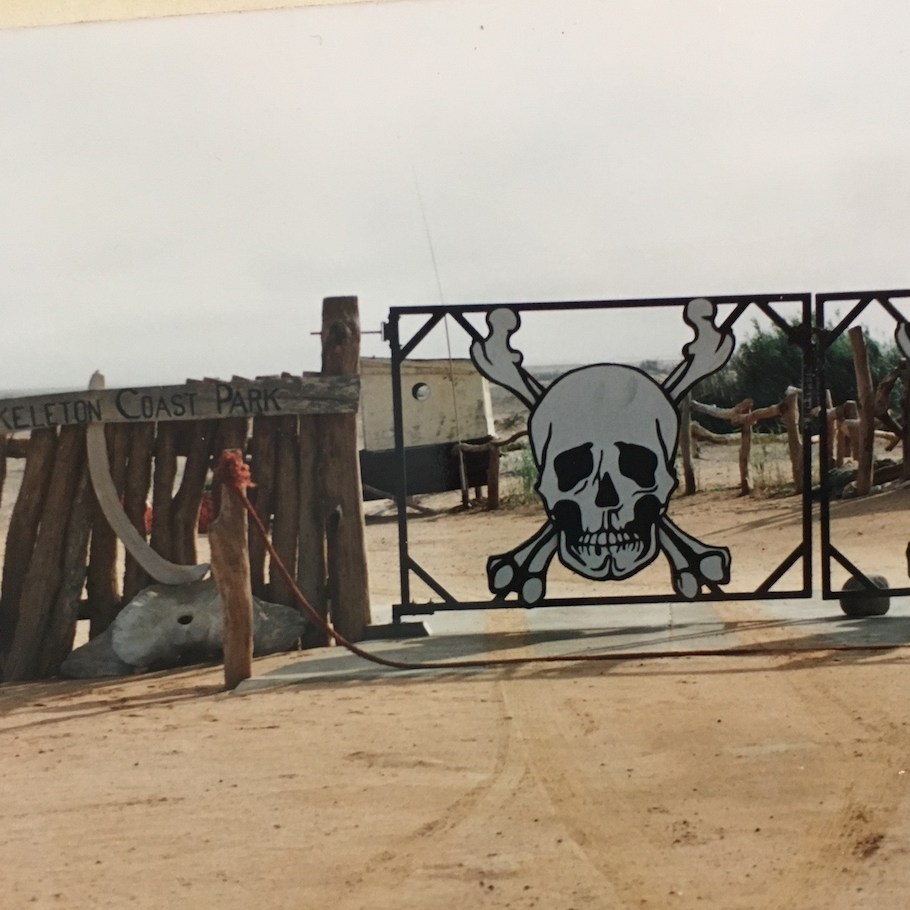
In 1990, Namibia gained its independence from South Africa. I was with a small adventure operator out of Johannesburg. There were seven of us and the guide. One small van and three weeks of empty roads offering the exquisite poetry of the Kalahari and Namib deserts, the rich history of Lüderitz and Kolmanskop, the drama of the Skeleton Coast, the magic of African wildlife in Estosha, and warm wonderful people everywhere.
These pictures are old. Scanned from faded albums that I have lugged around the planet as the most treasured part of my chattel.
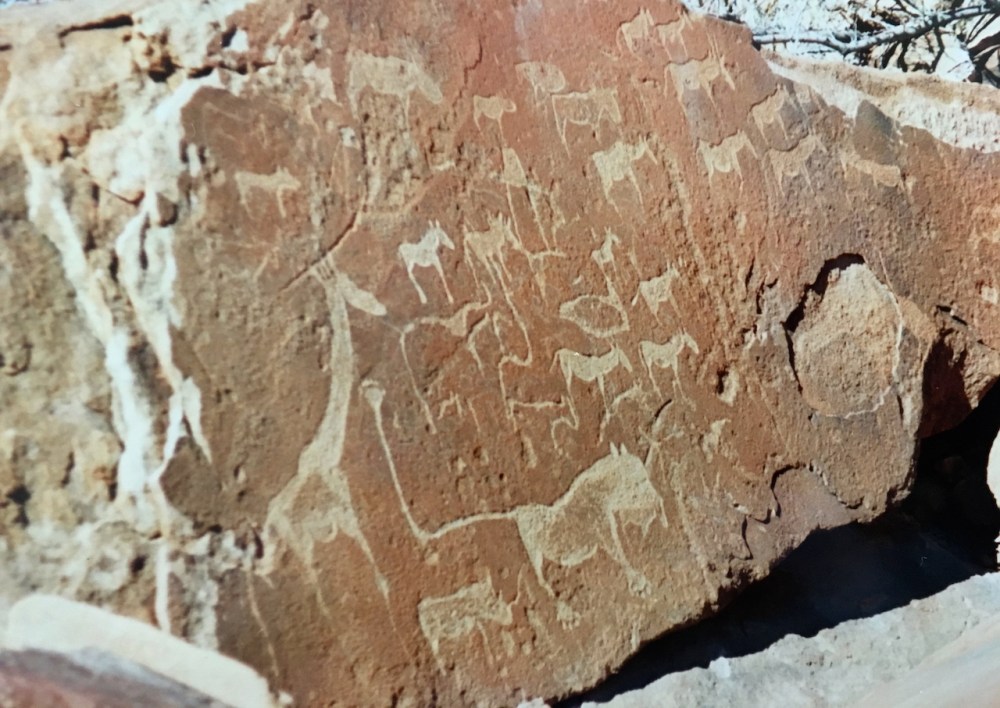
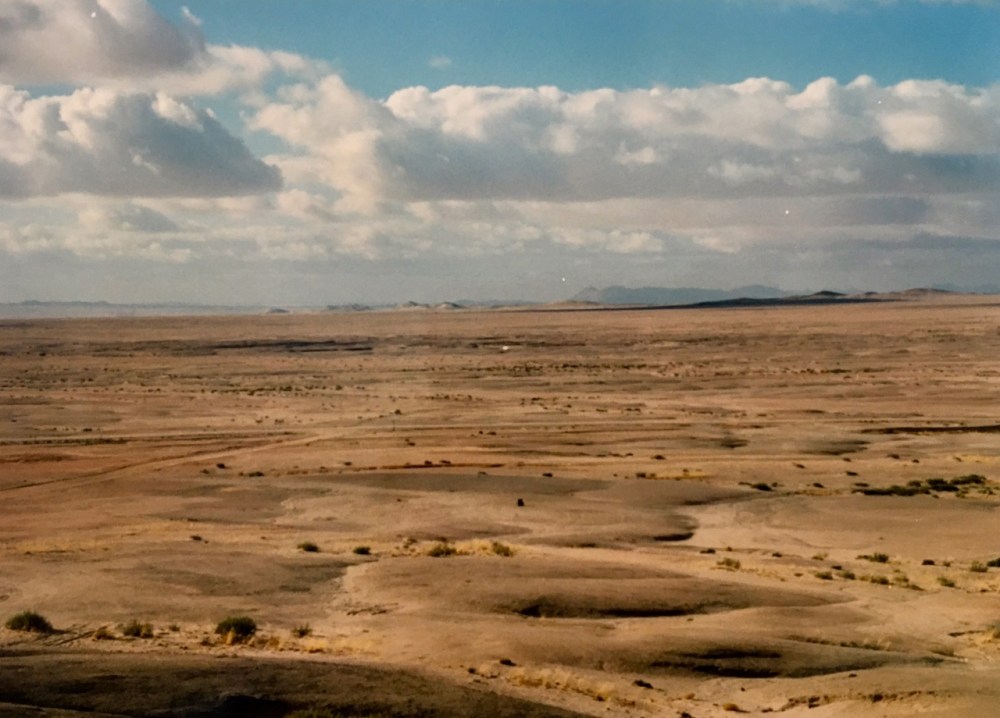
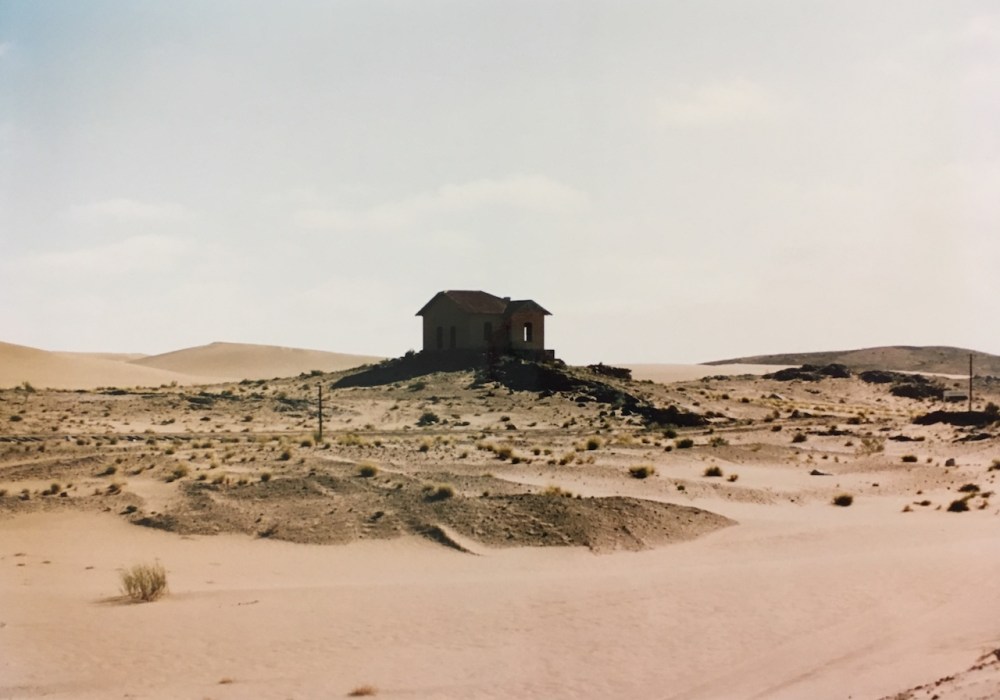
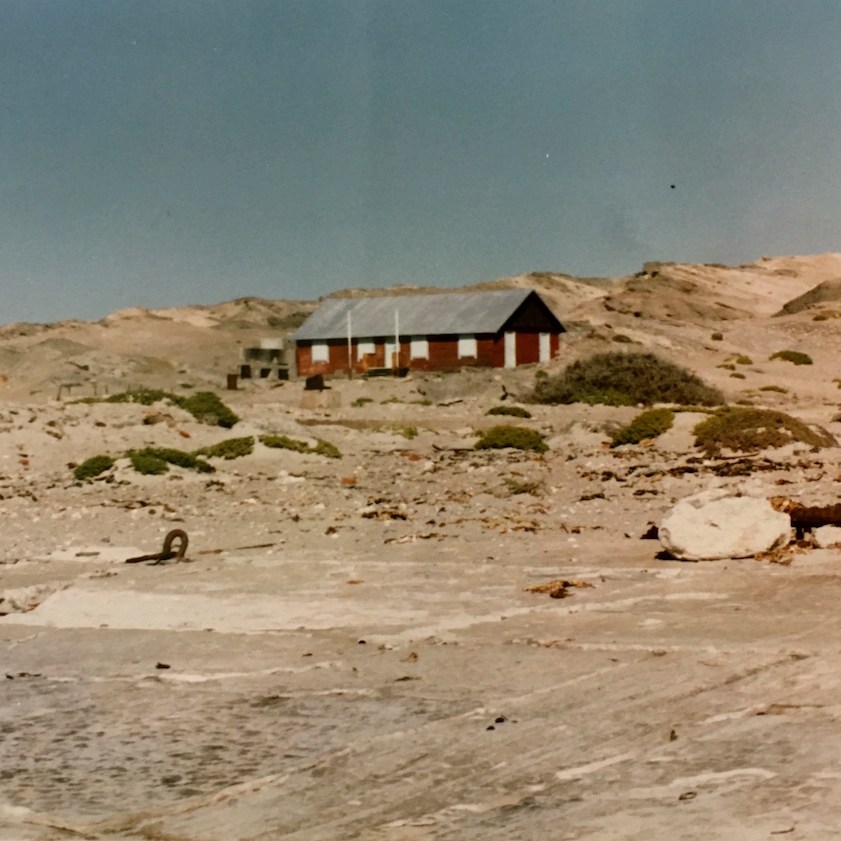
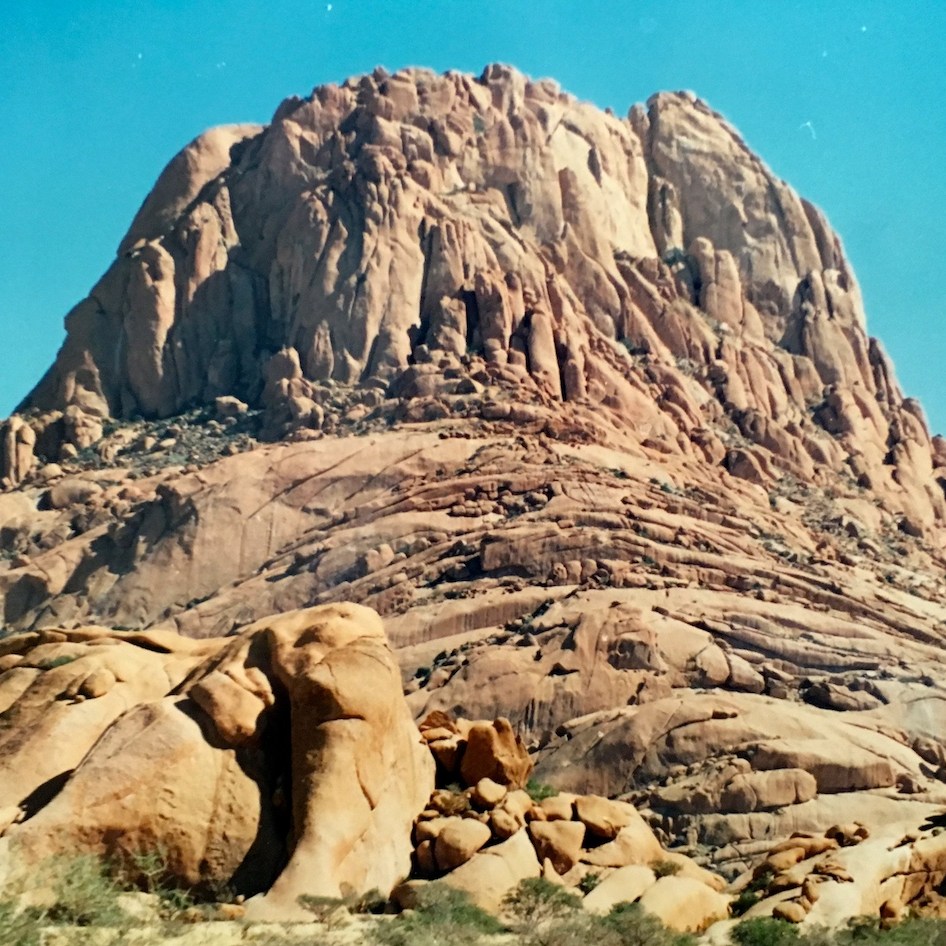
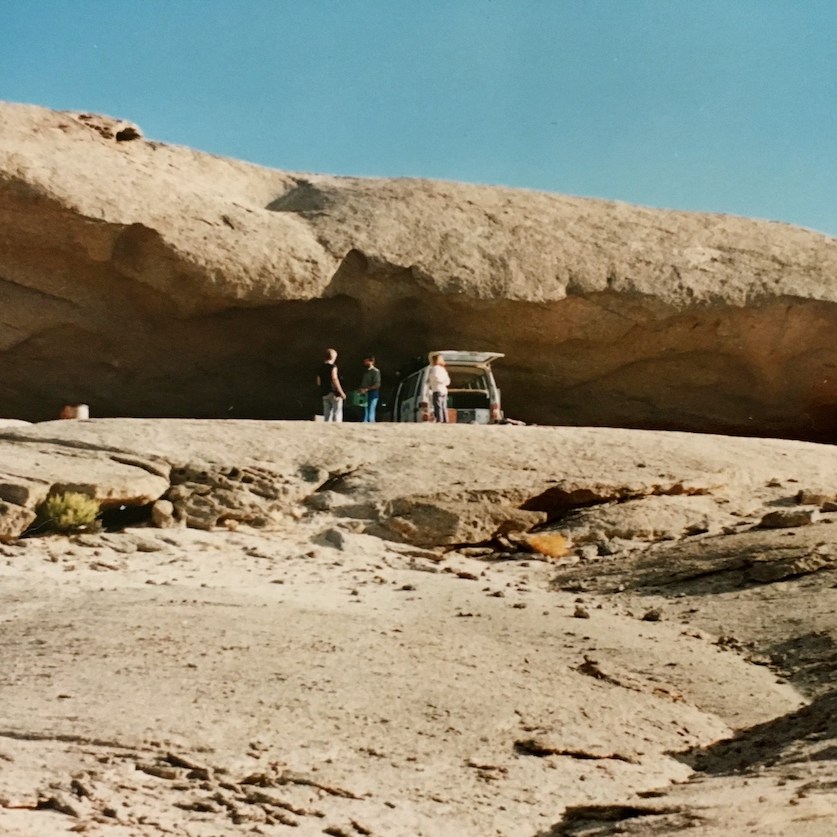
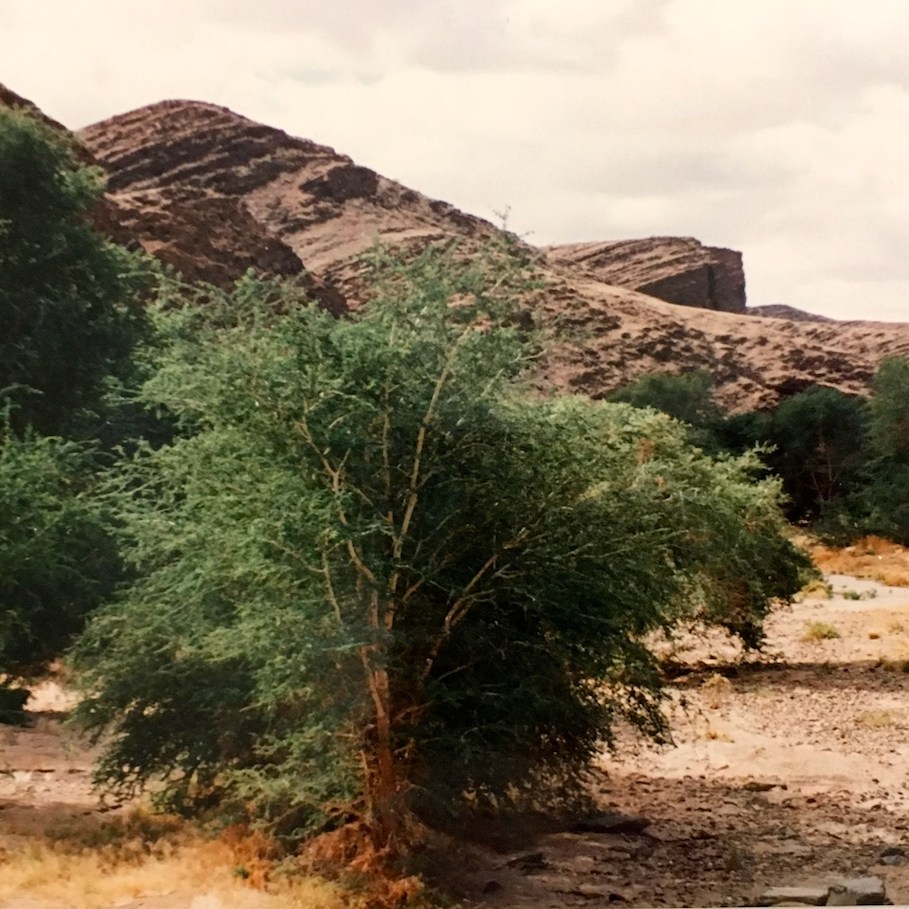
The Namib and Kalahari Deserts
Sometimes we camped in nice grounds, left over luxuries from the Colonial era with private ablution rooms boasting deep bathtubs and impressive tiling. Other times, we were right out in the desert in the heart of winter, learning how to manage our rituals with a shovel and a match.
I have never experienced such contrast between the hot days and chilly cold nights. When all the beautiful scenery faded behind the veil of darkness, the sky became alive with the most astonishing view of the heavens I’ve ever seen: the milky way spiralling overhead peppered with an array of shooting stars and satellites purposely traversing their orbits. All of it visible with a naked eye.
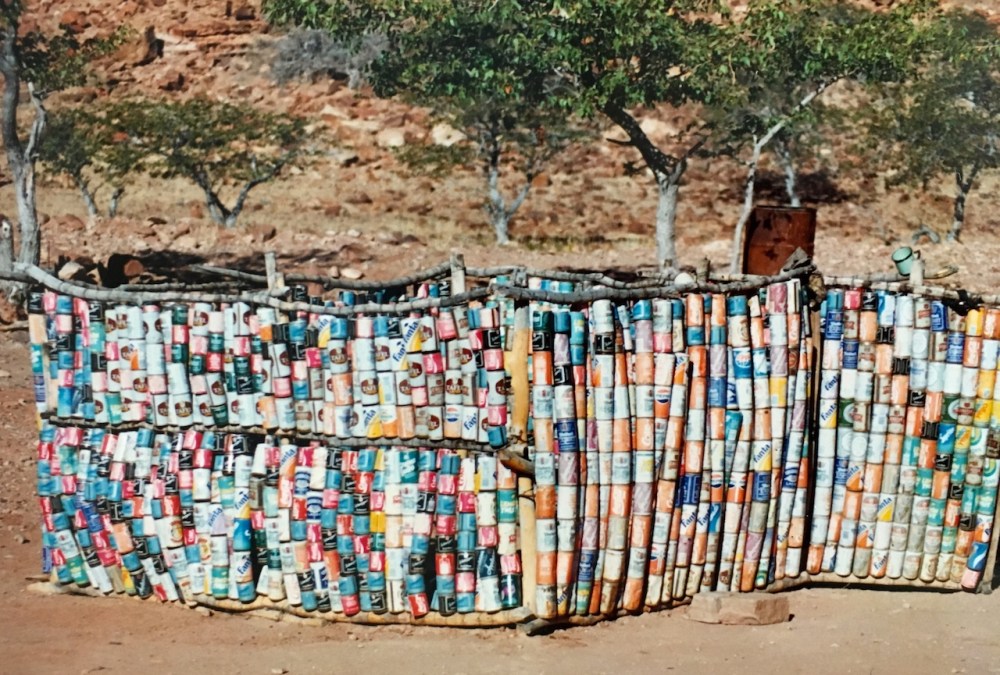
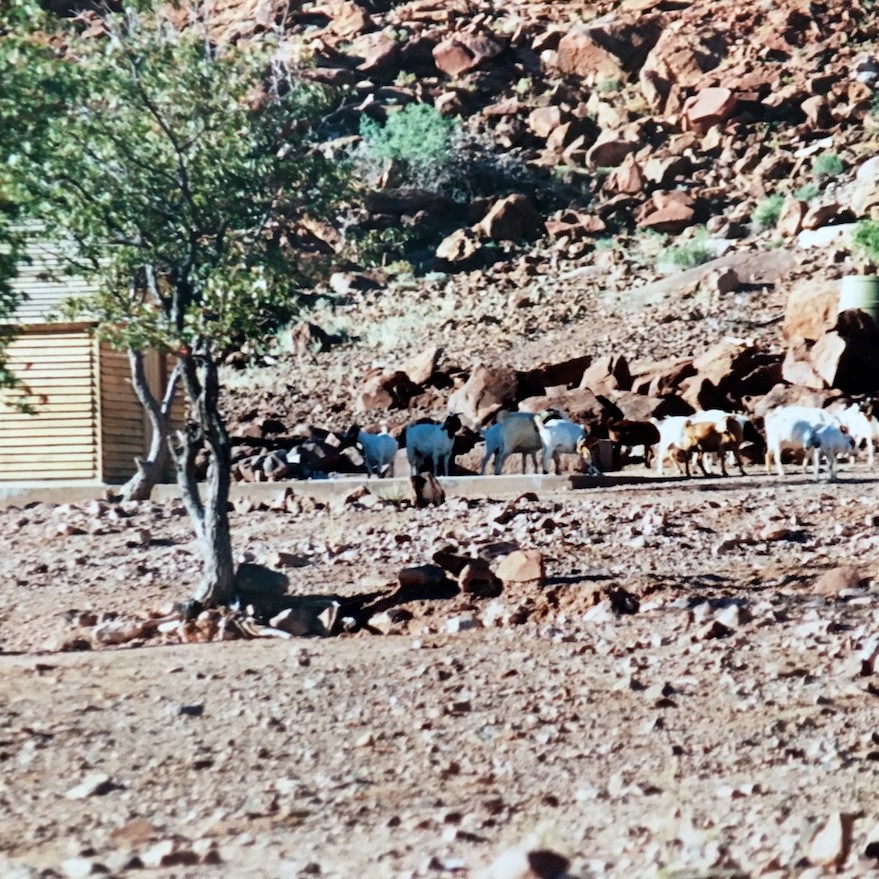
Locals would see us coming along the main highway for days and meet us when we pulled into their villages with local gemstones like tiger eye, and handmade crafts. I loved seeing how materials were used such as coffee and drink cans for roof tops and even to build pens for goats








Kolmanskop
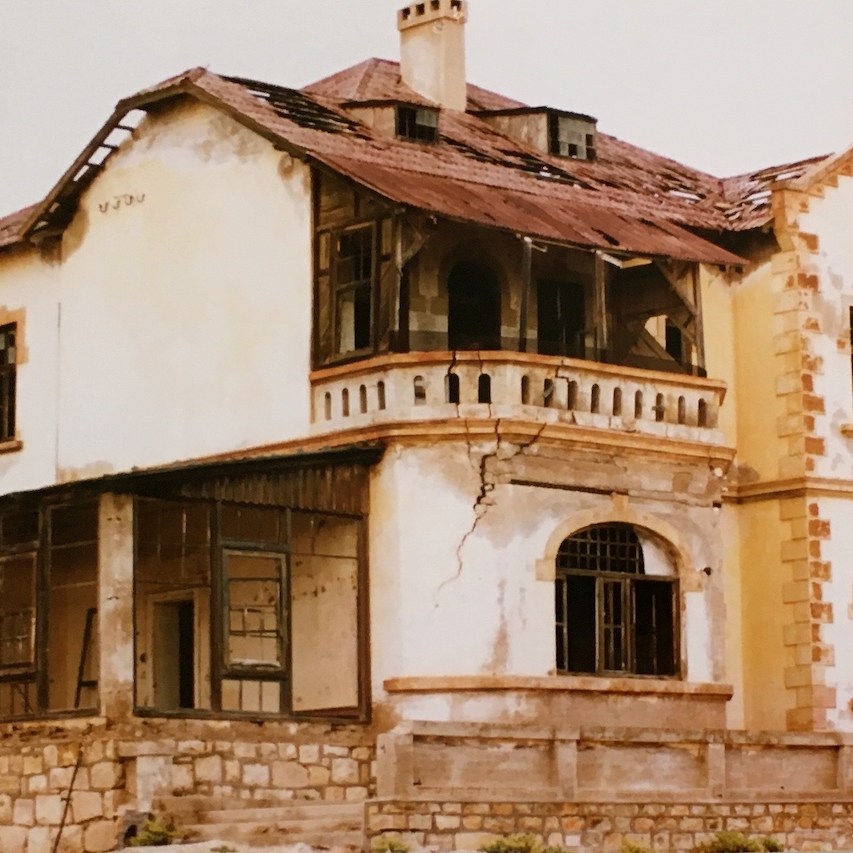
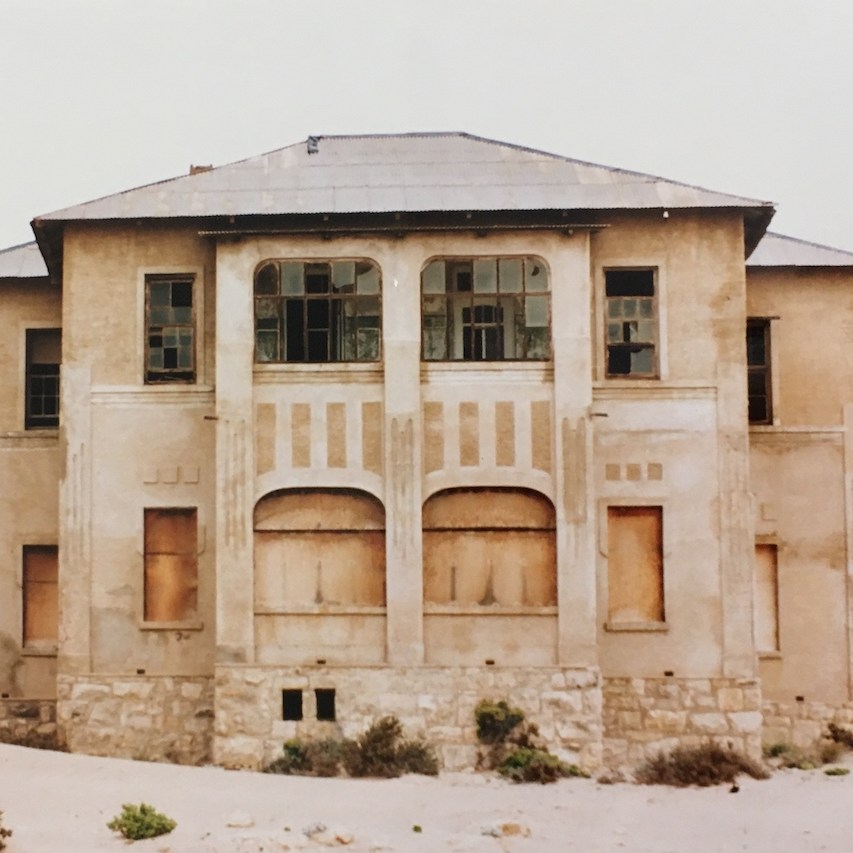
After a week in the desert we hit the coast and visited the ghost town of Kolmanskop. It is one of the most haunting and intriguing places I’ve ever been.
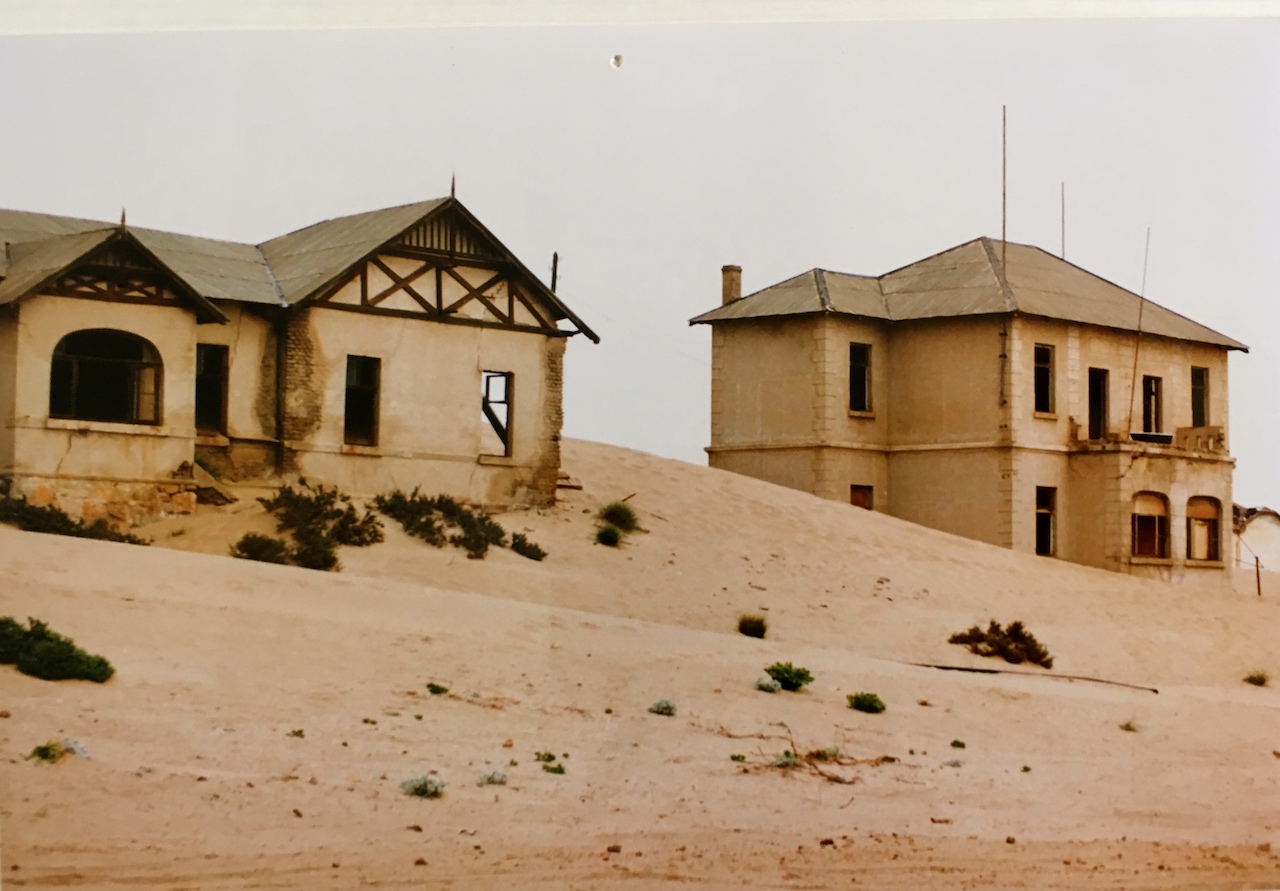
At one time, it was a busy diamond rush town before it was abandoned and left to the whims of the wind and the desert sand. It’s popular with tourists now but back in 1990, we had the place to ourselves, which added to its eerie allure. All of the buildings were accessible to walk through, most of them filled with sand. I don’t have a photo of it but there was an old fashion bowling alley in one of the buildings that we were able to set up the pins and have a few runs at it.


Lüderitz
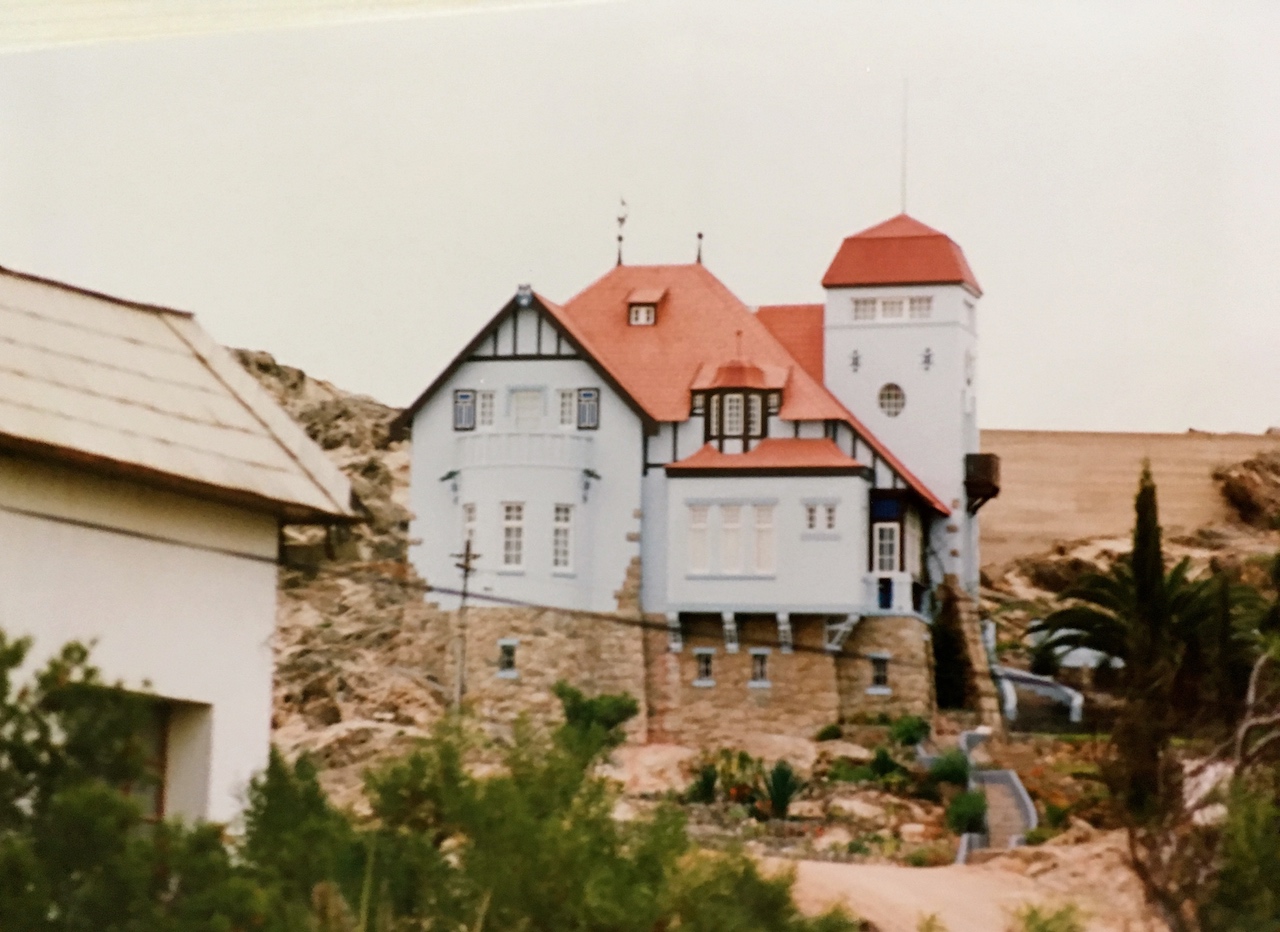
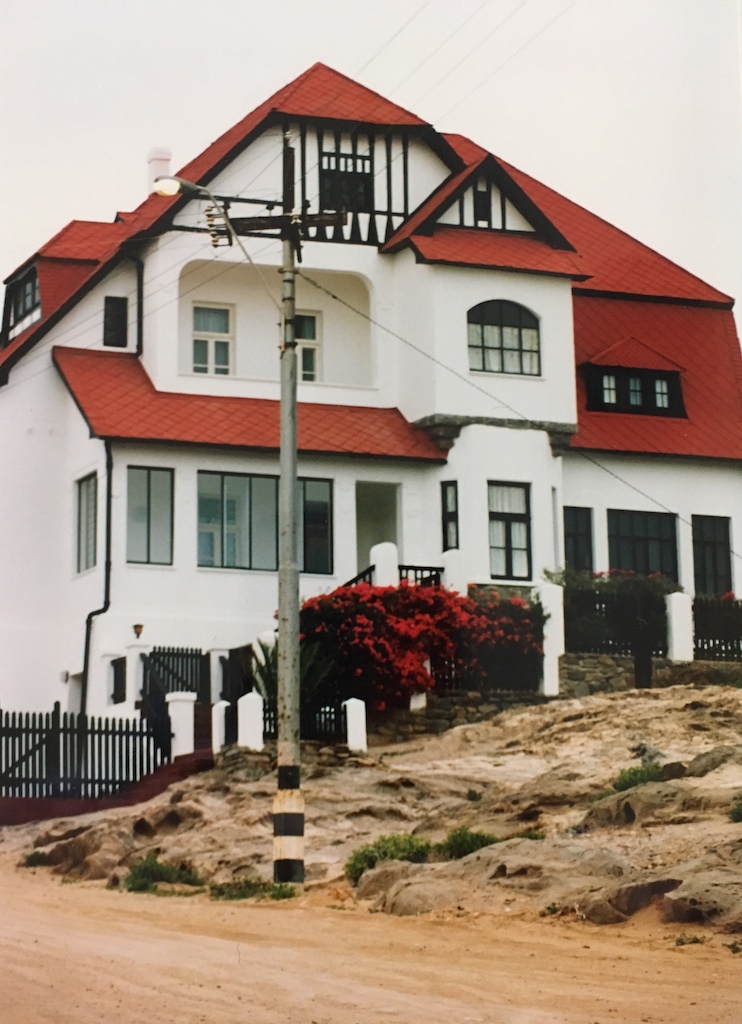
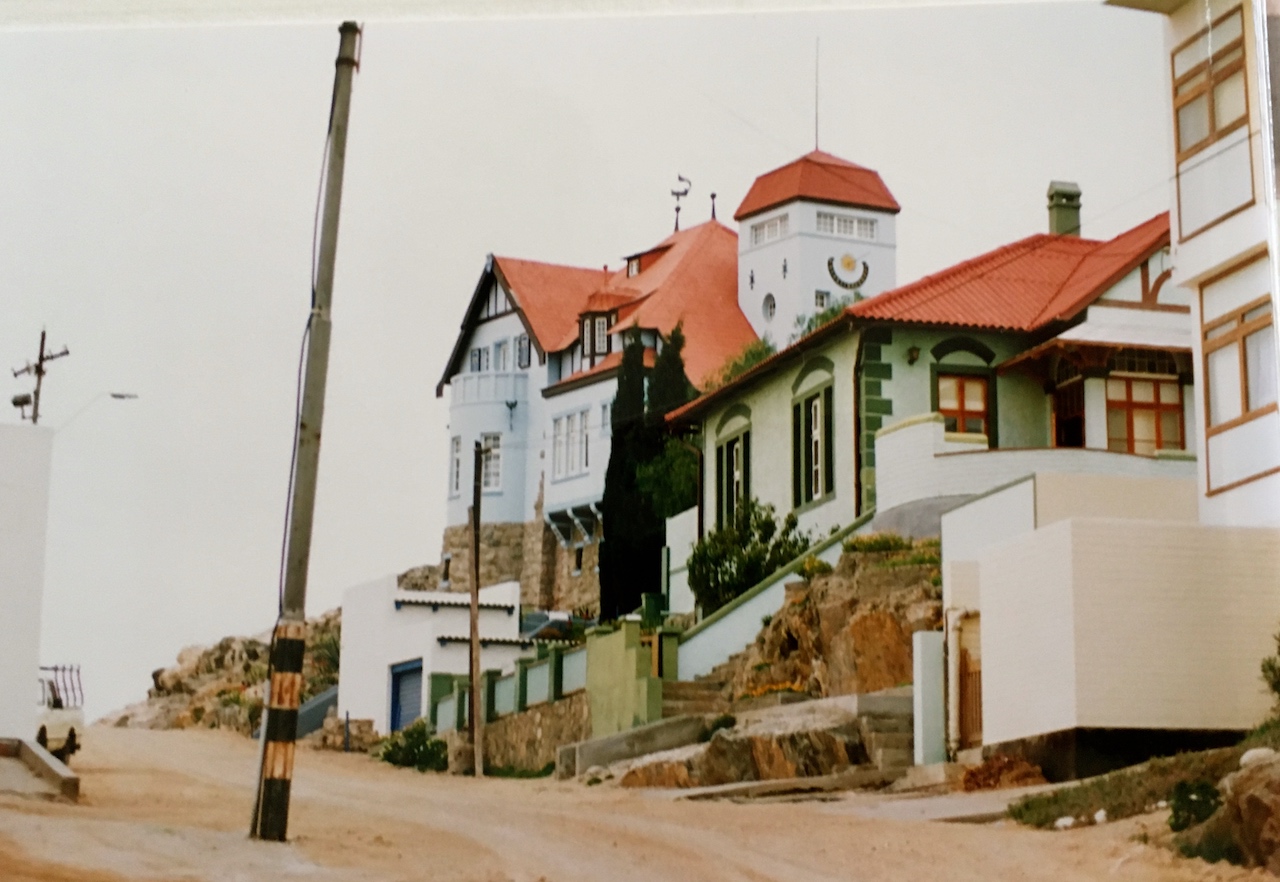
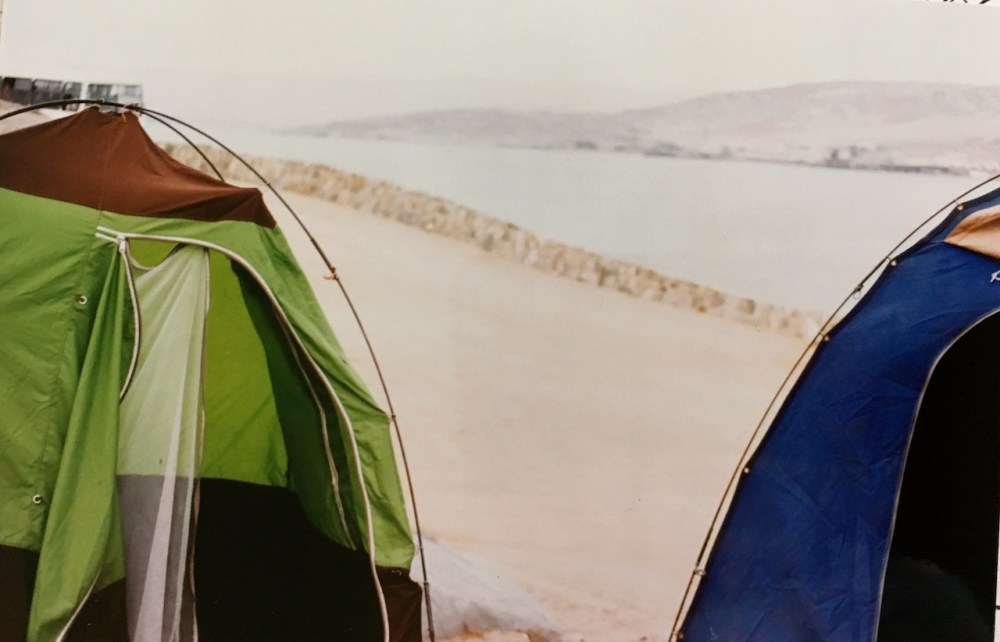
Hugging Robert Bay is the former diamond mining town of Lüderitz with the Felsenkirche church serving as its centre piece. Back in July of 1990, this place was as a much a ghost town as Kolmanskop as there was hardly anyone around. We had to drive through the town a few times to find the steward of the campground to get the keys to unlock the gates to the completely empty facility. Perched right on the ocean, the campground was a chilly location in the winter temperatures and ocean breezes. It took ages to convince my fingers to get the tent up and of course, it kept blowing all over before I could get it hitched. Fortunately, there was a nice, warm restaurant serving great seafood for the non vegetarians. For me, this was a tough trip but at least the vegetables were always delicious, steamed in their purest sense of organic goodness.



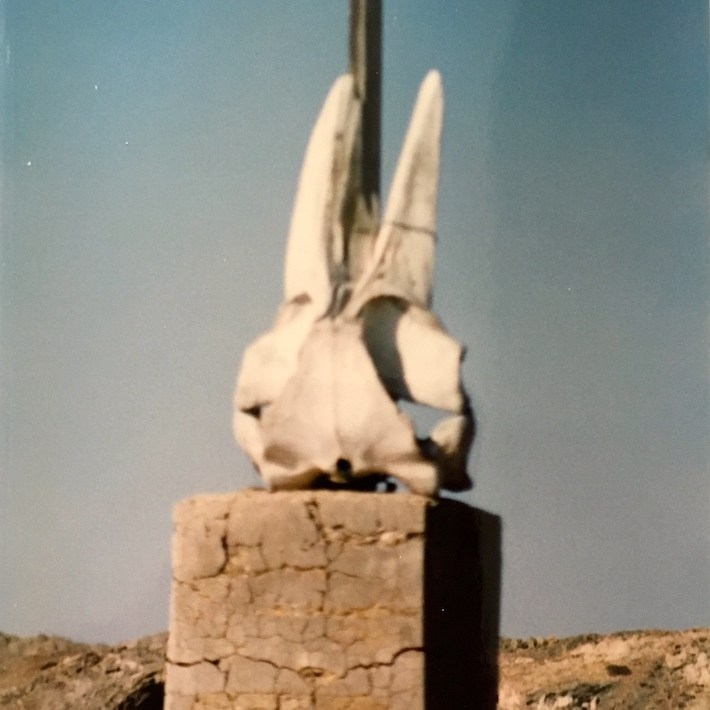
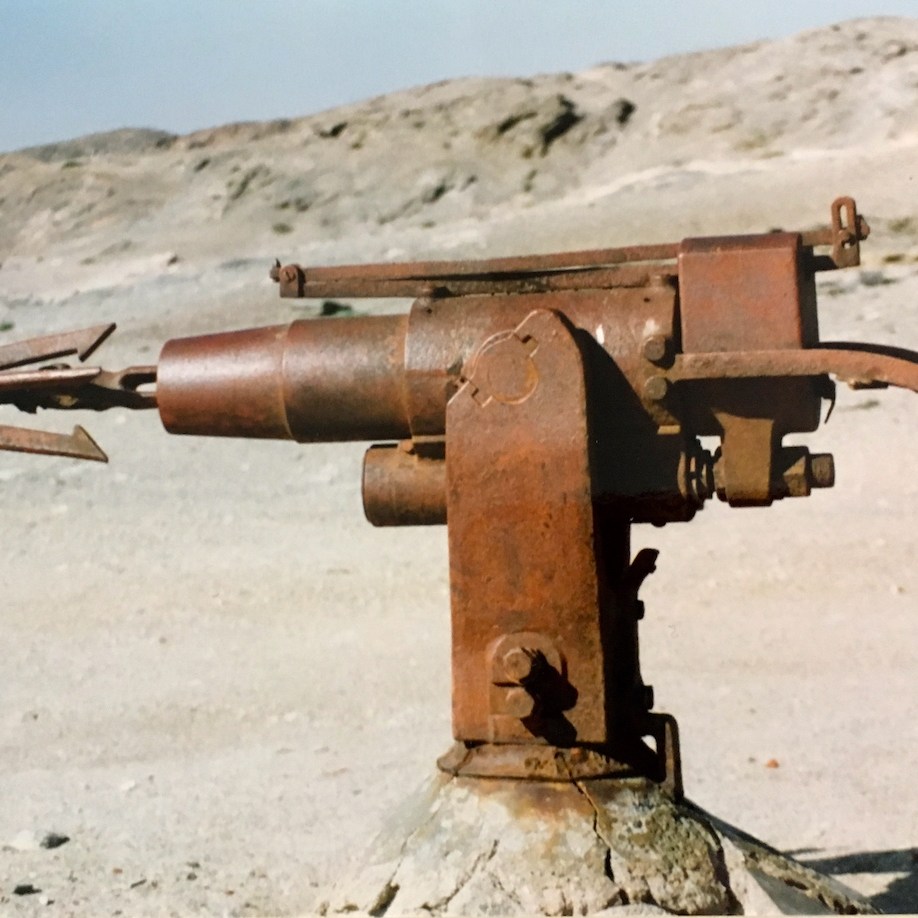
Walrus Bay and The Skeleton Coast

Prehistoric Wonders
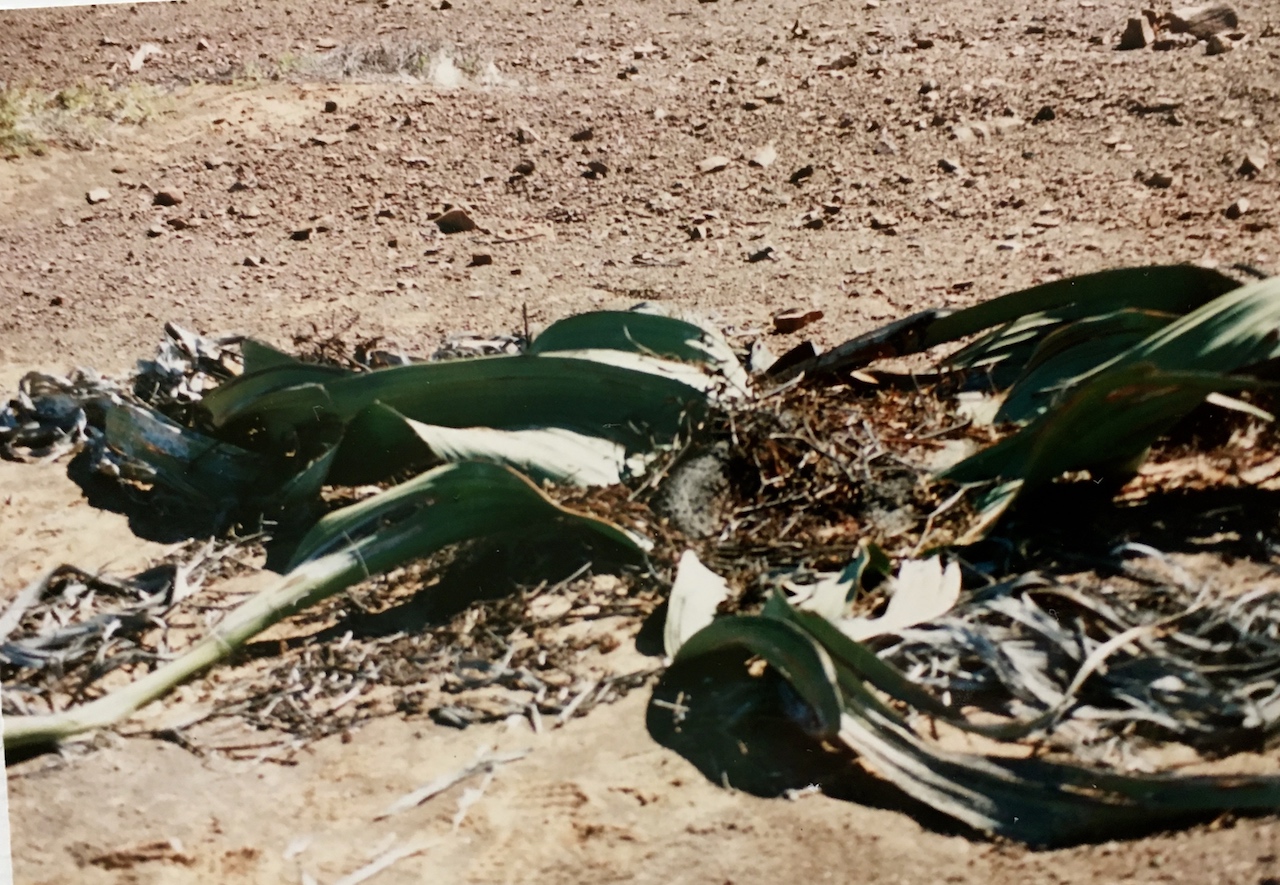
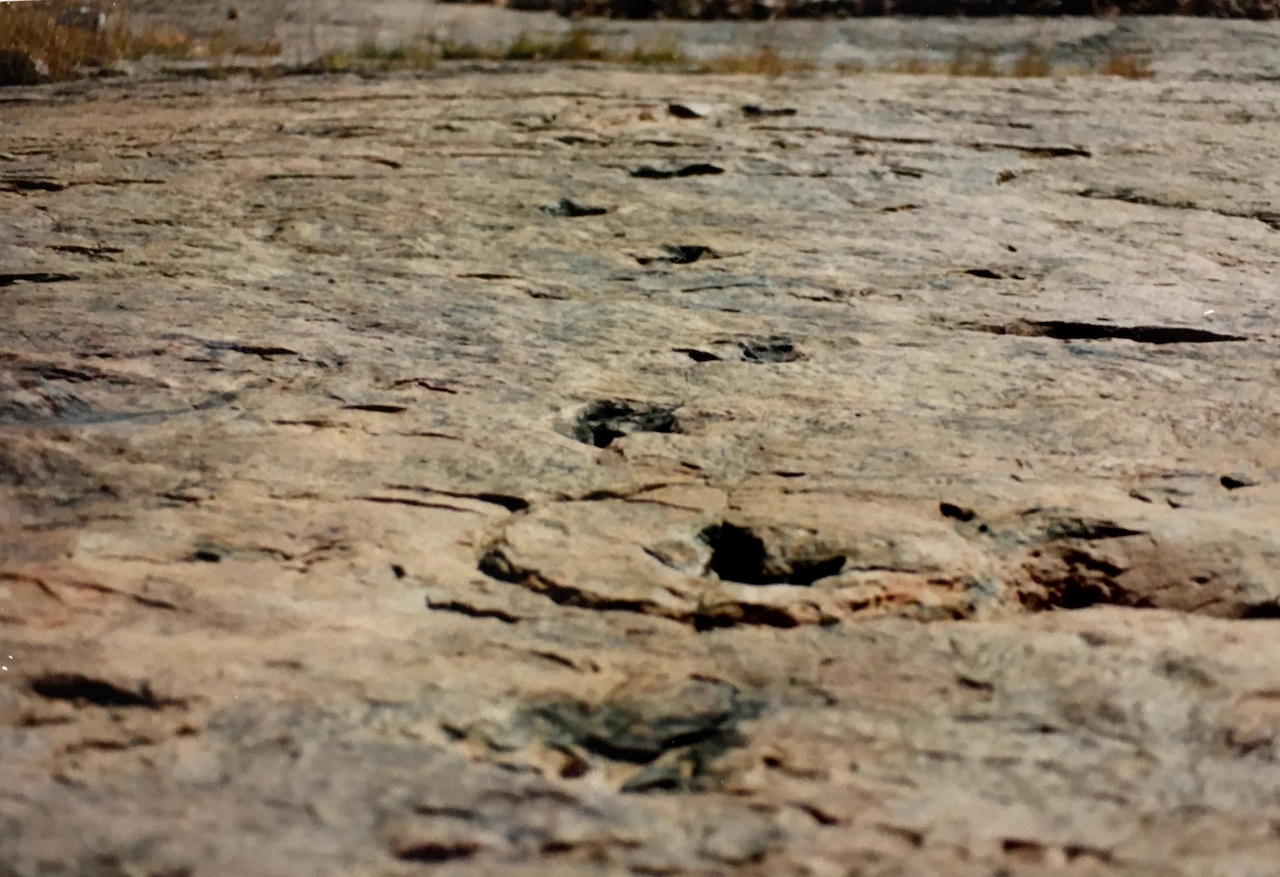
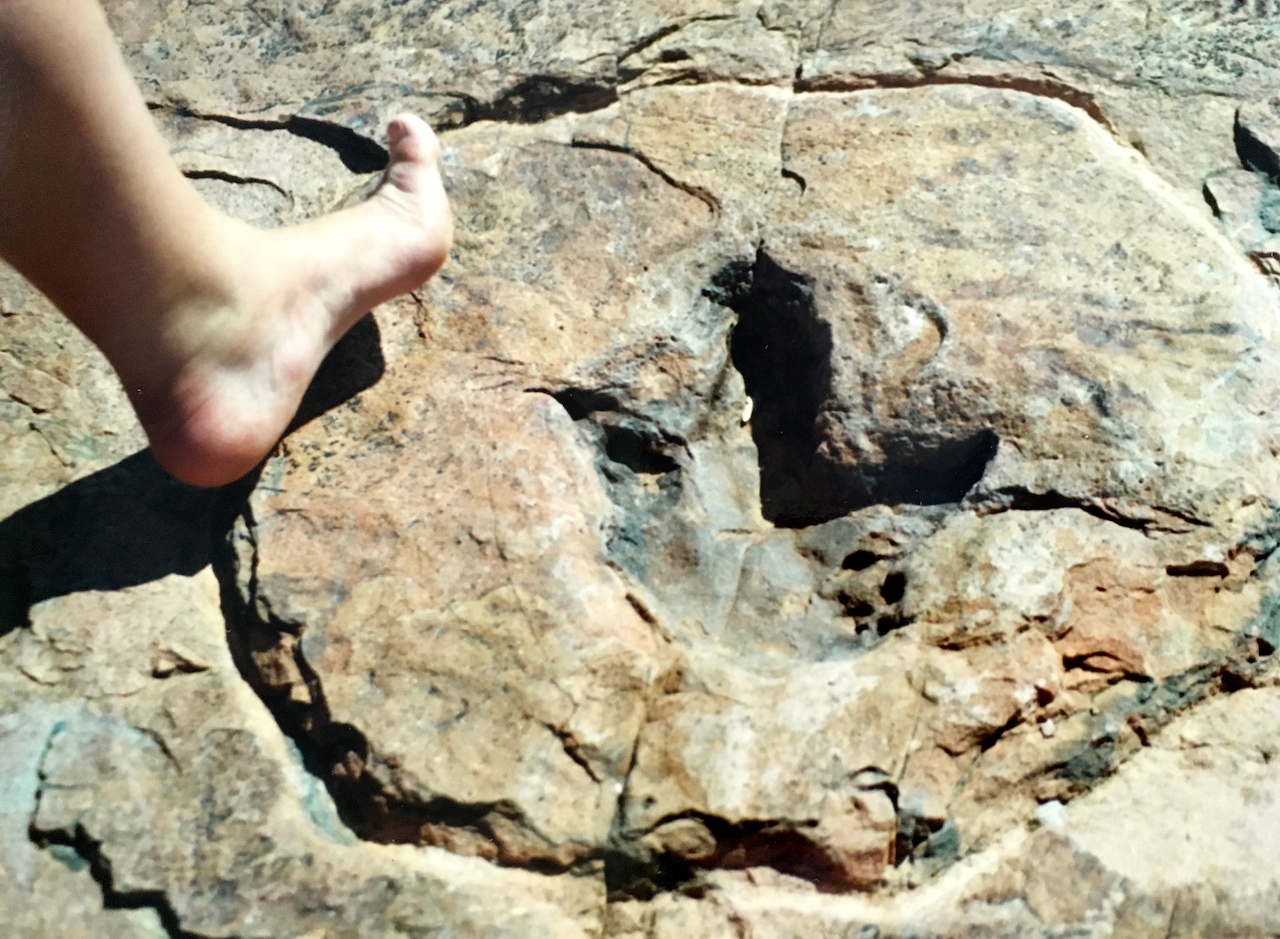
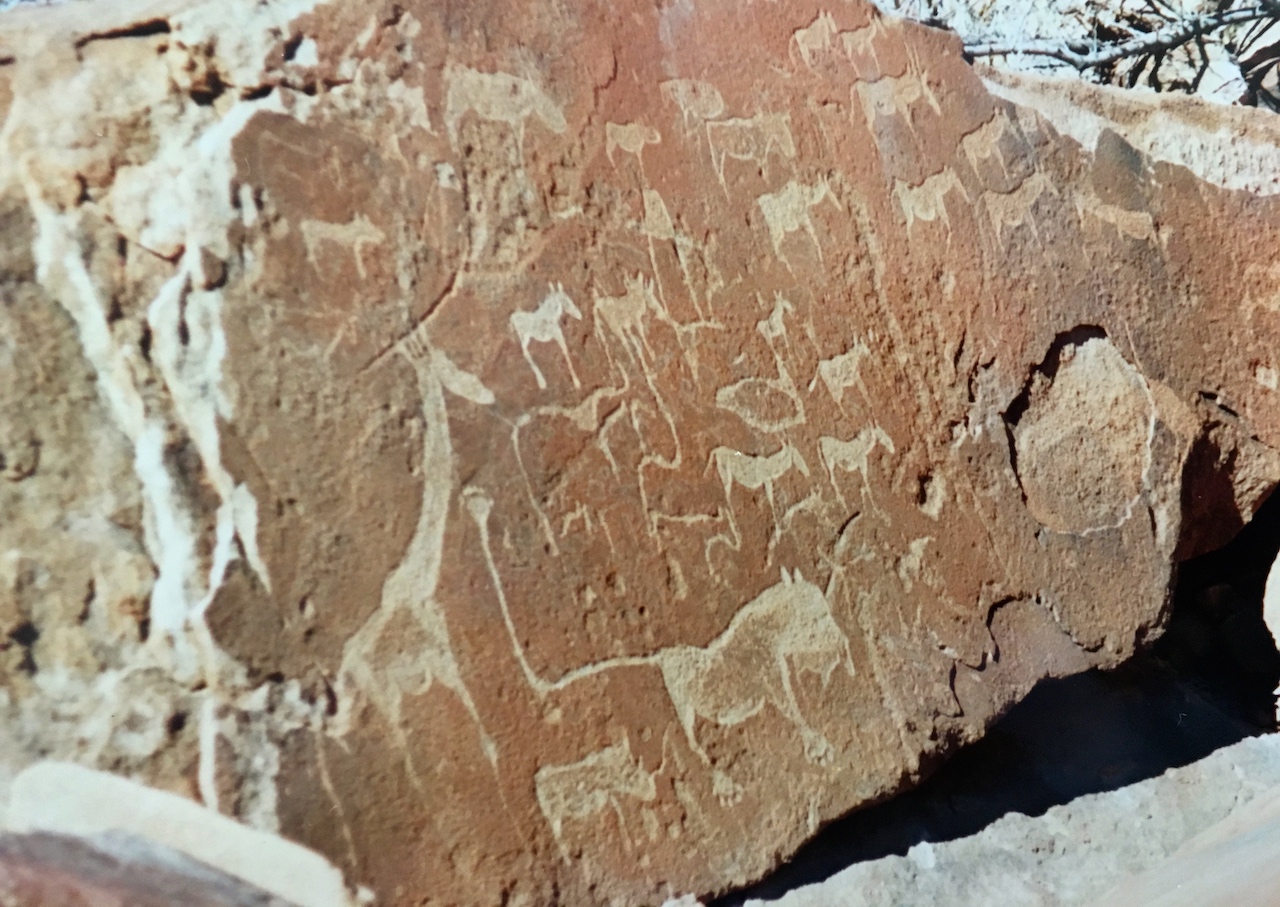
The desert is filled with many spectacular curiosities. In one day, we took a long drive looking for the Hoba Meteorite and some nearby dinosaur tracks. Both attractions would have been easily missed if we hadn’t been looking very hard for them. The same could be said about the petrified forest and the magnificent Welwitchia trees–the oldest in Africa living an average of 400-600 years. I’d expected something very large and instead found something that looked like it was evaporating in the hot sun. A marvel, this tree is known as a living fossil.


Etosha National Park
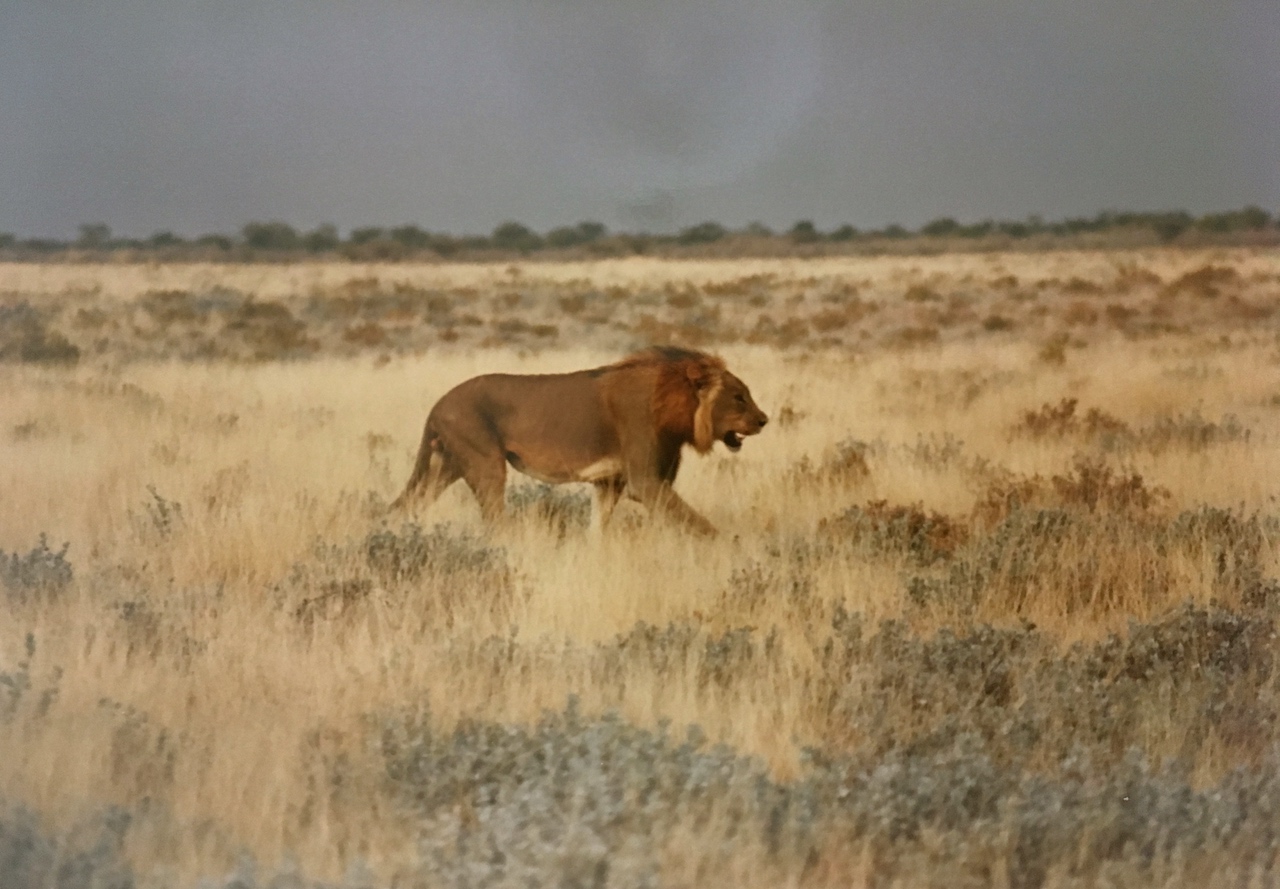
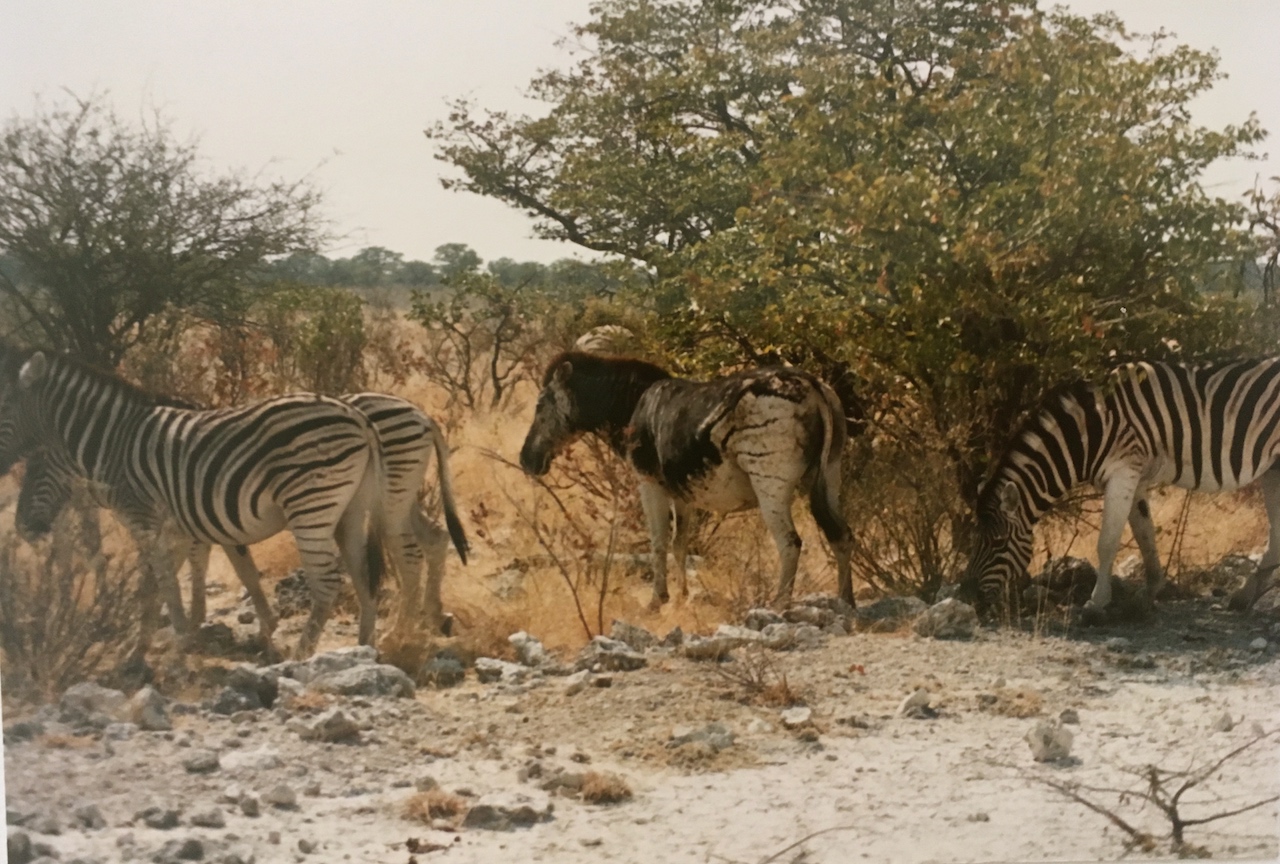
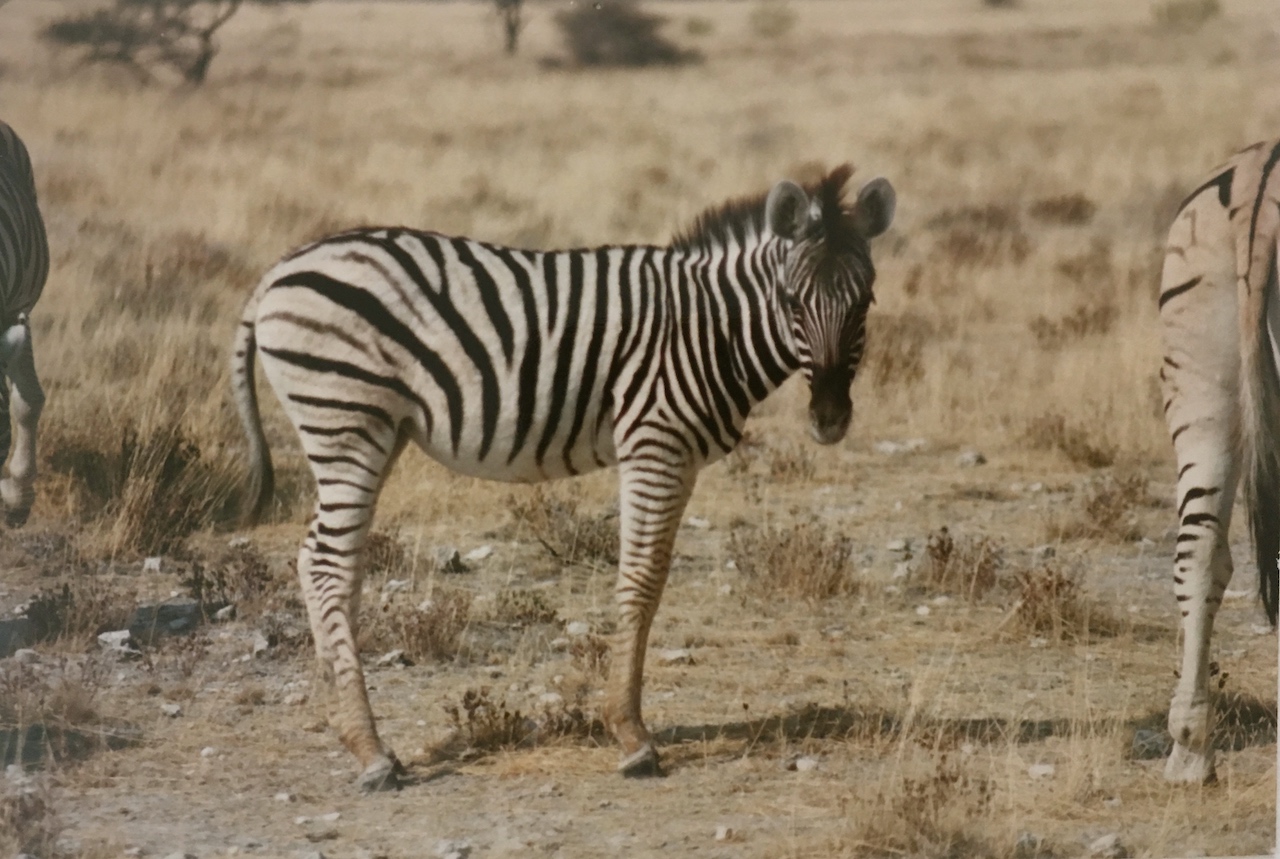
The epic beauty of the deserts in Namibia, the incredible art and culture of its people and the historic towns and industries with their colonial imprints offer so much to see and discuss that it came as almost a reminder that I was truly in Africa – the home of the safari tradition – when we hit Etosha in the northwest part of the country, after a couple of weeks of traveling the long, dusty roads. This is where the animals leaped from the pages of all the brochures to reign and parade in the safety of their lovingly maintained game reserve. Established in 1907, Estosha is over 22K square kilometres and has many camp grounds. Freezing cold in the winter at night, so I’d advice fall or spring for a visit. Despite the abundance of game on view, the park is proud of its salt pan so large it can be seen from space…


Windhoek
Located in the centre of Namibia, Windhoek is the country’s capital.
In Windhoek, I got one of my favourite souvenir: this little hand painted silk card of the famous Herrero Women. The first contact they had with foreigners was during the Victorian times, and since then they have been dressing up in large skirts–though the vibrant colours are more traditional to Africa.

 Whimspherical
Leave a comment